 Image 1 of 1
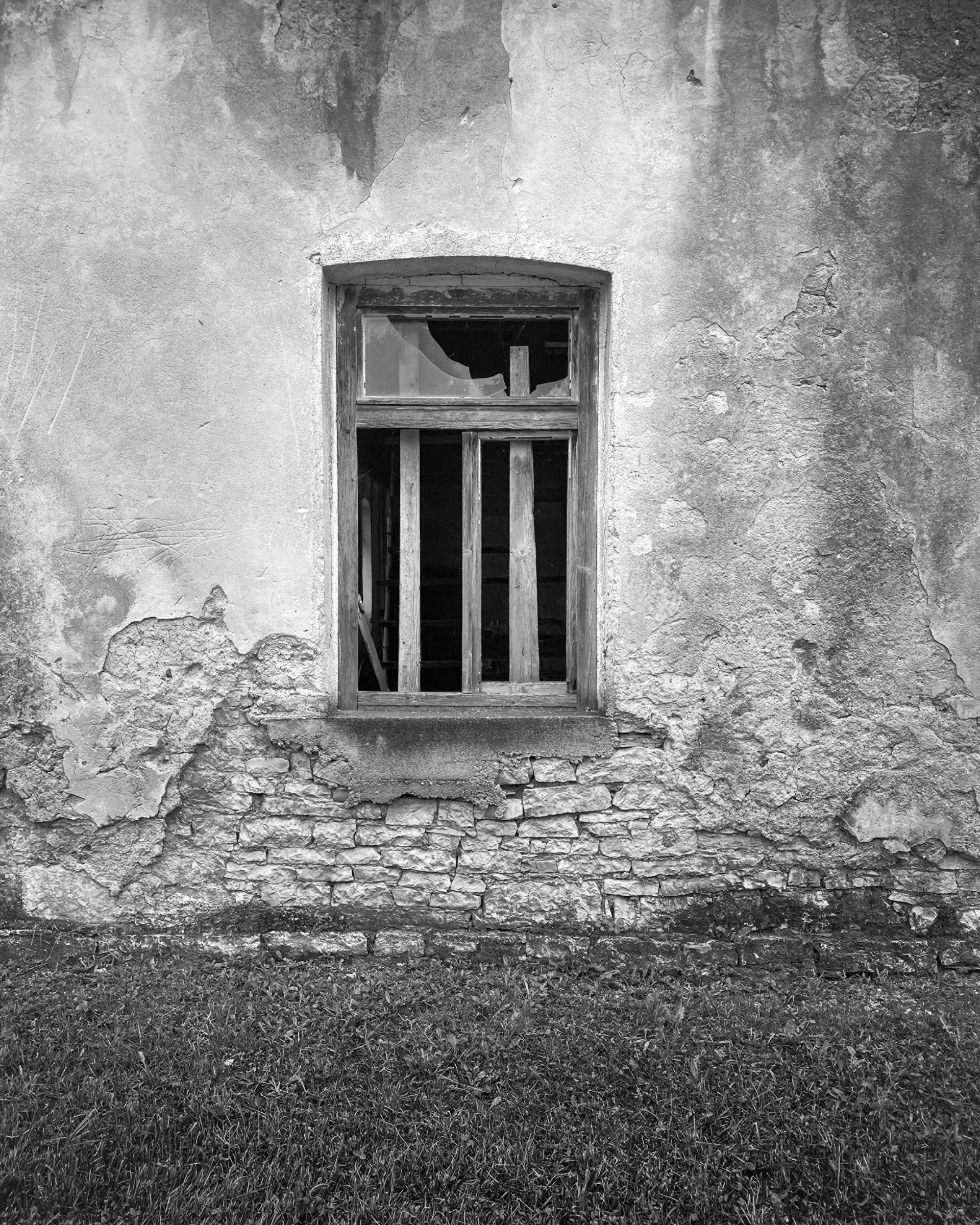
Near Plitvice Lake National Park, Croatia
The profound demographic reversal in the region surrounding Plitvice Lakes National Park, brought about by the Croatian War of Independence (1991–1995), left behind a physical landscape of widespread abandonment and destruction. While the war involved an initial displacement of Croat residents, the most impactful population shift was the definitive, mass exodus of approximately 200,000 ethnic Serbs from the broader Krajina region during and after the 1995 Croatian offensive, Operation Storm.1 This displacement, which fundamentally transformed the region's demography, resulted in an enduring visual legacy of war-time devastation. The fleeing population left behind vast numbers of private homes, agricultural buildings, and villages that were subsequently looted, vandalized, or deliberately destroyed. This dramatic shift created a landscape marked by thousands of abandoned structures, often characterized by shell damage, collapsed roofs, and bullet-pocked walls, standing as silent and powerful evidence of the conflict and the ensuing humanitarian crisis that prevented the return of many displaced residents.
Near Plitvice Lake National Park, Croatia
The profound demographic reversal in the region surrounding Plitvice Lakes National Park, brought about by the Croatian War of Independence (1991–1995), left behind a physical landscape of widespread abandonment and destruction. While the war involved an initial displacement of Croat residents, the most impactful population shift was the definitive, mass exodus of approximately 200,000 ethnic Serbs from the broader Krajina region during and after the 1995 Croatian offensive, Operation Storm.1 This displacement, which fundamentally transformed the region's demography, resulted in an enduring visual legacy of war-time devastation. The fleeing population left behind vast numbers of private homes, agricultural buildings, and villages that were subsequently looted, vandalized, or deliberately destroyed. This dramatic shift created a landscape marked by thousands of abandoned structures, often characterized by shell damage, collapsed roofs, and bullet-pocked walls, standing as silent and powerful evidence of the conflict and the ensuing humanitarian crisis that prevented the return of many displaced residents.